Launched in 2024-25, NDCA's Accessibility Grant program empowers organizations to make arts programming and facilities more inclusive for all. Below, explore the FY26 grantees and their projects - from sensory-friendly performances and adaptive art classes to digital accessibility upgrades and ASL-interpreted events. Each initiative demonstrates the power of targeted funding to create lasting change in communities across North Dakota.
FY26 Accessibility Grant Projects
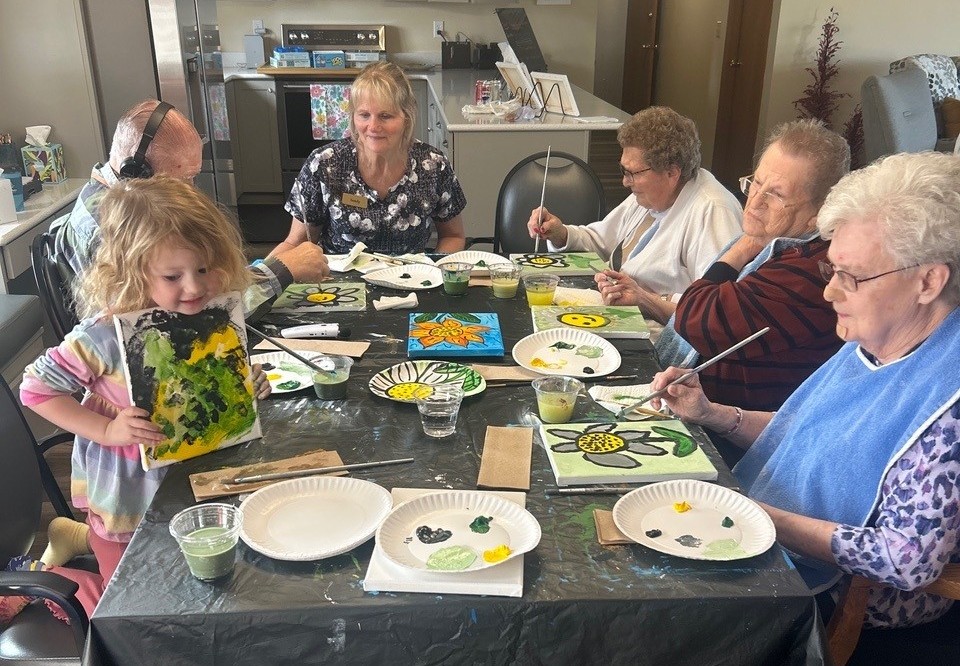
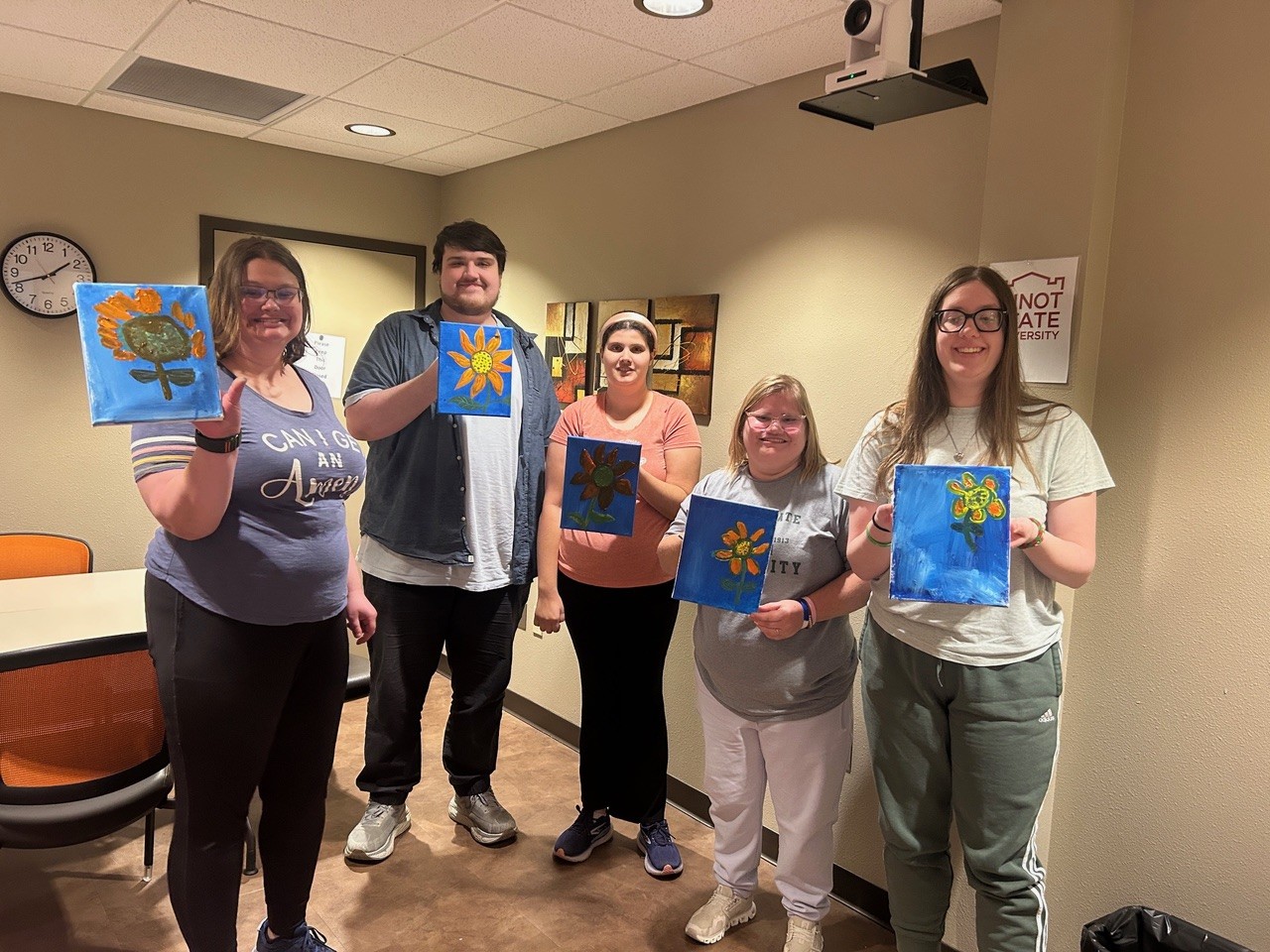
Accessible Art Class at the Taube The Taube Museum of Art (Minot) provided 20 art classes to 195 individuals, focusing on those with mental, physical, and emotional challenges, troubled youth, and the elderly. Participants experimented with acrylics, watercolors, and oil pastels, expressing themselves and building confidence. Staff noted, “Several individuals that participated expressed how much they loved being offered to do the class as well as the assists at the facilities were grateful and expressed how much it brightened everyone’s day.”
- Grand Forks Children’s Museum collaborated with adults with disabilities as event greeters and offered adaptive art supplies to ensure everyone could participate. The event removed barriers, provided free access, and fostered partnerships for ongoing accessibility and inclusivity. “The greeters felt welcomed and part of the team. Some came back to work multiple shifts!” Staff shared, “The art accessibility tools that were provided were appreciated by those that could benefit from them and others saw them as a new tool that was helpful and fun to use as well.”
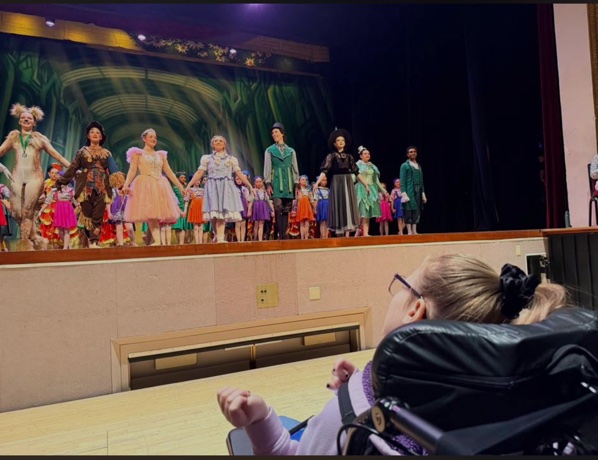
Norther Plains Dance production of The Wizard of Oz Northern Plains Dance (Bismarck) presented a sensory-friendly performance of The Wizard of Oz, adapting sound, lighting, and seating to welcome audiences with sensory, social, and learning disabilities. “The project successfully met its primary outcomes of increasing accessibility, reducing barriers to participation, and providing a welcoming experience for audiences with diverse needs.” Staff reflected, “Sensory-friendly performances fill an important void in offerings as individuals with sensory, social, and learning disabilities can take part in a live arts event - when given the right opportunity and support.”- Empire Arts Center (Grand Forks) partnered with accessibility consultants to assess and improve its website and social media, trained staff, and updated digital content. These efforts ensure people with disabilities can navigate digital outreach using screen readers, captioning, and voice recognition tools. “The review and updating of the Empire’s digital outreach helped ensure that people with disabilities are able to navigate the Empire’s digital outreach using tools such as screen readers, captioning, and voice recognition software.”
- The Pembina Gorge Foundation provided ASL interpreters and reserved seating for people with hearing loss at their production of FAME the Musical (which was held at Empire Arts Center in Grand Forks) enabling full engagement in live theatre. “Live theatre is for everyone, it should be accessible to everyone, and generating increased opportunities for compensation for ASL interpreters is a great way to support not only live theatre, but the value of the profession of ASL interpreting.”
- Bismarck Art & Galleries Association launched Creative Connections, offering monthly inclusive art classes for adults with disabilities. The program fostered creativity, confidence, and social connection, becoming a valued part of BAGA’s offerings. “Attendance has remained consistent throughout the program, with participants returning month after month, demonstrating the value of the program and the relationships formed through the classes.” Staff shared, “Caregivers also benefited by participating alongside their loved ones, creating shared experiences and connecting with other caregivers in a supportive setting.”
- Sleepy Hollow Theatre & Arts Park addressed accessibility by installing a permanent stage ramp and an AED station, ensuring safer and more inclusive participation for all. “This grant enabled a permanent access to the stage with railings accessed from a metal gate - excellent for anyone using the stage throughout the year.”
- ND Strong improved restroom accessibility at its Minot headquarters, meeting ADA standards and enabling more inclusive arts and community events. “The completed restroom improvements directly addressed one of the most important accessibility barriers identified during ND Strong’s review of the building.” Staff emphasized, “The project also benefits the broader community by helping preserve and activate a historic downtown building as an inclusive public gathering space."
- Fargo-Moorhead Community Theatre (FMCT) funded ASL and Audio Description services, increasing access for Deaf, Hard of Hearing, Blind, and Low-Vision audiences. “Audience members and their companions expressed appreciation not only for the services provided but also for the clarity of advance communication and the intentional integration of accessibility into the performance environment.” Staff noted, “These events strengthened trust with audience members who have historically faced barriers to attending live theatre.”
- North Dakota Ballet Company launched adaptive dance workshops and a sensory-friendly Nutcracker, providing inclusive experiences for children with sensory needs and their families. “A young girl came to the door with a large smile on her face in her wheelchair, and a beautiful pink ballet dress, tights, and slippers on her feet. She said hello and her name, and said ‘guess what this is my sister’s dress, I am a dancer now too!’ My heart melted and tears came to my eyes.” Staff reflected, “Not only do I feel like our goals were met, but the gift given to all involved was life-changing.”
The FY26 Accessibility Grant projects demonstrate how targeted funding can transform arts participation and community engagement. NDCA is committed to continuing this program as long as funding is available, with eight organizations already awarded grants for FY27. The Council aims to expand the program - offering more support to nonprofits, reaching new communities, and supporting innovative approaches to accessibility in the arts.